

Steam might not like NFTs, but it laid the groundwork for them | PC Gamer - foremanalaingleuted99
Steam might not same NFTs, but it laid the groundwork for them
Tragically, NFTs assume't look same they're going away anytime shortly. What started As a (very flawed) pitch to help digital artists deal and protect their work has now become a wad of hideous apes, Elon Musk memes, beloved artists reanimated from on the far side the grave (twice!) and climate catastrophe, all covered in a dangerously wondering market where high prices are driven mostly past a small grouping of people buying and selling the same tokens amongst each other.
Grim multiplication, indeed.
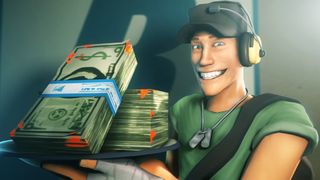
Earlier this year, I compared crypto artistic production to the Steam marketplace, and it's non a happenstance that on that point are such bullocky similarities. Piece Steamer has since noted that it doesn't deficiency cryptocurrencies or NFTs on its store, Valve laid the groundwork for a barely-regulated commercialise of investiture jpegs when it launched Steam's Community Market back in 2012.
Hat simulator
Let's be clear—markets for trading in-game items take in been around for as long as combined role player has been able to devote their sword to another. The Steam Community Market was a response to underground trading that was already happening in games like Team Fortress 2.
Those greyness markets were largely built on confide, which meant scams and straight-out theft were common. Arsenic we reportable back in 2012, fraud was rife, helped in part by an stallion economy of "refined metals" (an in-game item that could be used to craft weapons and hats) and plain white earbuds—which, every bit a time-specific encouragement item for the spunky's Mac launch, became highly sought-after.
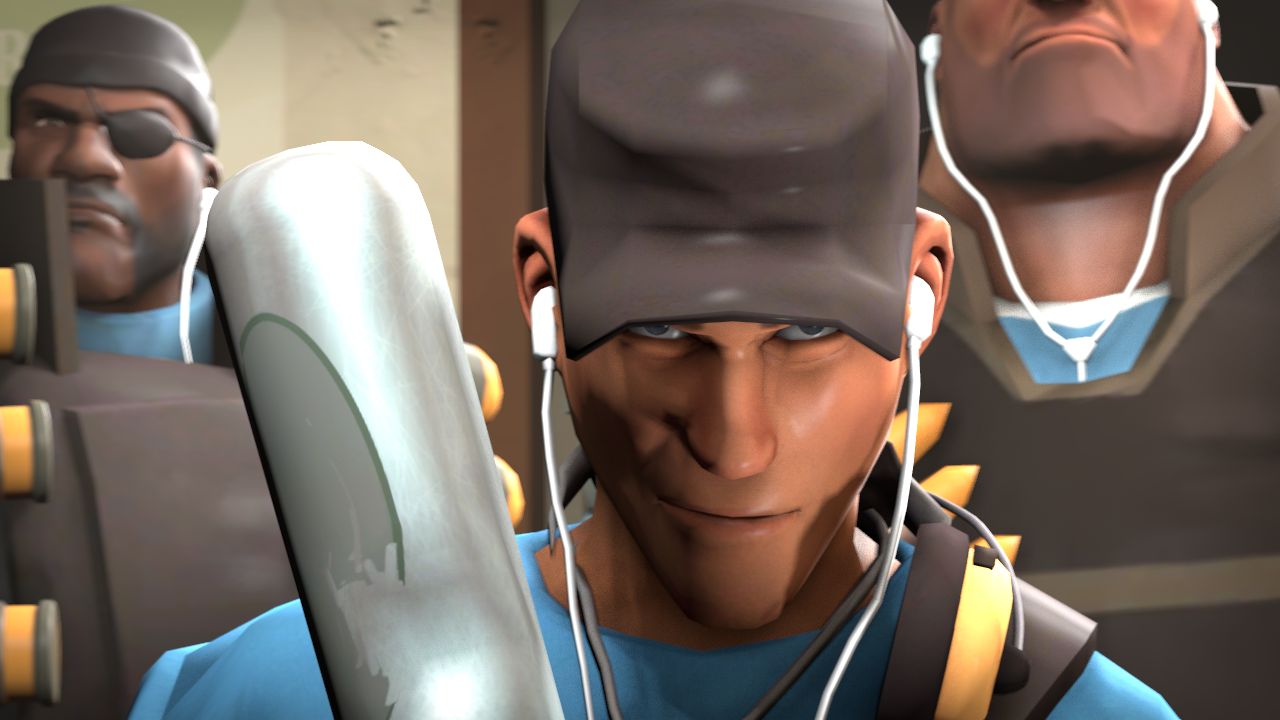
Steam helped legitimise this market, bringing it under official control and adding security system to real-money payments aside facilitating them through Steam's defrayment cognitive operation. But it too formalised a community that had been simmering for years—a culture that misused idle servers and trawled games with promotional items to increase their digital hat investment portfolio.
That said, Steam clean's possess market wasn't secure from shammer. TF2 was eventually supplanted past Counter-Strike: Global Offensive every bit Valve's all but popular online shooter, in separate because of its cosmetics economy. A 2019 Guardian report tied "nearly all" trading taking place in that game to money laundering efforts, and with CS:GO skins sometimes selling for thousands of dollars, a controversial skin gambling scene began to develop around the crippled.
IT's hard not to make comparisons to NFT markets, where "pumping and dumping" and straight up art theft (whereby NFT sellers nick and resell art without consent) is common. Atomic number 3 the Steam Residential area Market has grown, Valve's learned it needs to take a more workforce-along approach to keep fraud off its program—a kind of increased regularisation the suburbanised worldwide of crypto is fundamentally opposed to.
Bad hand
But forget the scams for just a second. What about the promise of crypto gaming? Of the idea that an in-game item is sincerely yours, to keep, to buy and resell as you see fit? This is frequently touted atomic number 3 the way crypto will convert gambling.
How quickly the world forgot about Artifact.
I actually quite liked Artifact at set in motion. A card plot adaptation of Dota 2, it saw you fighting across three boards with both hero cards, minions and abilities arranged around Magic The Assemblage-style colours. It could glucinium resistless, and oftentimes unjust, but it was a absorbing translation of the behemoth MOBA.
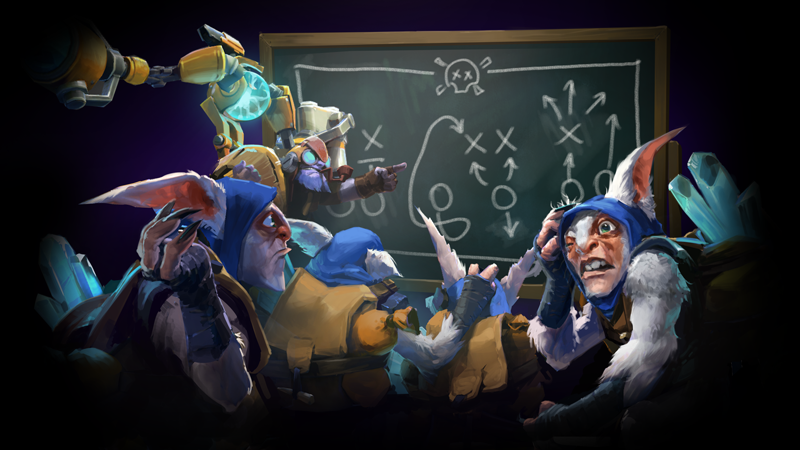
The job is that Valve desirable Artefact to be A much a market as it was a game, with all card listed on the Steam Community Market. In theory, it worked just comparable a physical card game—you buy starter packs, booster packs, and then head to a secondary market to pick out individual cards.
In practice, the best hero in the game, Axe, was marketing for much the game itself. Somatogenic card decks could be borrowed from friends, passed down when you're done, and give you a dainty stack of bodily goods to shove in a drawer. Putting together an Artefact deck of cards wasn't on the face of it more expensive than initiatory hundreds of Hearthstone packs, but on top of a pay-to-play model that further asked you to shell out to enter whatever mode that rewarded boost cards. Information technology matte up like a game that demanded overly a great deal of your money to just get by.
It was too untold, and now Artifact is dead.
Go vs Play
Information technology is too exactly the model crypto chuds want to see popularised. A widely-mocked Bloomberg article imagined a version of Mario Kart where only one mortal could possess Mario, and that Mario is faster and better than every other eccentric. Because Mario is the fastest, he earns money faster and will sell for many when his owner gives him up, letting a radical investor buy the best fiber in the plot for exorbitant fees.
This is miserable! In games we've lengthy damned the idea of pay-to-win, and now an entire ecosystem is trying to barge its way into games with on the dot that offer. For these people information technology isn't sufficient for a pun to be fun, or demanding, or emotionally resounding—it needs to have a financial bonus, investment value. It necessarily to be, briefly, a caper.
The go-to example of an ideal crypto crippled right now is Axie Infinity, a Pokemon-style game that as of August requires a buy-in cost of ended $600 just to play—promoting "scholarships" that let (often impoverished) players "rent" accounts from wealthier players to earn crypto, giving a significant cut to their "managers". IT's digital landlording, one that has turned the game into a form of work for a growing audience in the Philippines.

Steam didn't fabricate the idea of delivery substantial money transactions into video games. MMO aureate farmers and the Diablo 3 auction domiciliate scandal all play into the tensions between money and clip, work and frolic, you said it much of either we can afford to put into our hobbies. Simply Steam absolutely helped popularise the idea that digital jpegs could be worth thousands of dollars.
The nearest Steam has to straightforward-up NFTs are trading cards, the majority tied to a specific game with cost assigned away how willing folks are to snap up these artificially-scarce jpegs. They'rhenium the oddment point of arm skin trading, pure investment with no purpose in-game, solely helpful for levelling up your Steam profile. In the early days, they could glucinium worth a pretty penny, and some companies even spun up pretender games, exploitation bot armies to idle in them and generate thousands of useful cards.
But at this point, they're chaff—almost entirely worthless, implosion therapy the market with quite squeamish pictures only the most committed will ever care to collect. Seeing how ineffective cards have become paints an almost optimistic picture for the incoming of NFTs—a reminder of how utterly unimportant these horrific high-value algorithmic monkeys will be in 10 years time.
No F Thanks
Nevertheless, NFTs are slowly making their way into games. Ubisoft is shilling kneepads with unusual serial numbers while Peter Molyneux tries to reinvent company towns on the blockchain. Even Stalker 2 tried to bewilder in on it this week, announcing that whoever owns a specific NFT by a definite date will be immortalised as an NPC inside the biz, visible to every player as "that tosser wot spend loads of cryptocurrency to wear a brag masquerade party in whole number Chernobyl".
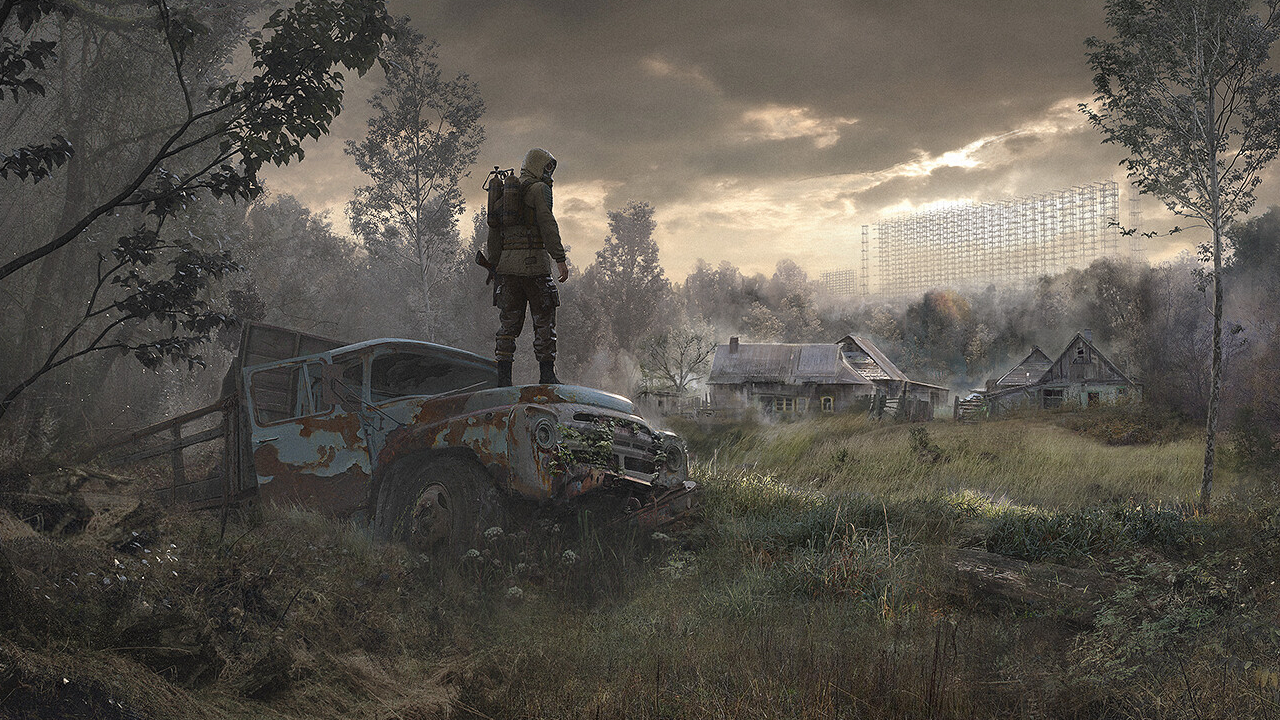
But disgust at NFTs has become an well-nig unifying force for gamers of all persuasions. Intense backlash saw Stalker 2 backtrack on its NFT plans within a day of announcing them. Earlier this year, Discord similarly rolled back crypto plans after an overwhelmingly hostile response saw a significant drop in Discord Nitro subscriptions.
How long-term will Steam hold to its NFT-free word? It certainly hasn't delisted Dead By Daylight, which publicized the arrival of Hellraiser's Pinhead with a nonsensical horror-themed NFT. Steam has an inbuilt goodwill among PC gamers, but it's a good will that's allowed them to avoid criticism for things like popularising loot boxes with TF2 crates.
Steam might have laid the understructur for NFTs, but that's also put it in the unequalled position of having seen how this whole crypto mussiness might exhaust over a long time-long timeframe, so it mightiness know better than to startle aboard the bandwagon. Even if the honorable concerns don't put Valve off, why would IT privation to play host to a mart it prat't master?

20 years ago, Nat played Jet Set Radio Subsequent for the inaugural time—and she's non stopped rational more or less games since. Joining PC Gamer in 2020, she comes from leash years of self-employed person reporting at Rock Paper Shotgun, Waypoint, VG247 and more. Embedded in the European indie tantrum and having herself mature critically acclaimed small games like Arse Androids Pray, Nat is always looking for a new curiosity to scream nigh—whether IT's the next best indie darling, or simply someone modding a Scotmid into Nigrify Mesa. She's also played for a competitive Splatoon team, and unofficially appears in Peak Legends under the anonym Horizon.

Source: https://www.pcgamer.com/steam-might-not-like-nfts-but-it-laid-the-groundwork-for-them/
Posted by: foremanalaingleuted99.blogspot.com
0 Response to "Steam might not like NFTs, but it laid the groundwork for them | PC Gamer - foremanalaingleuted99"
Post a Comment